

A selected record tracing how This is Gender has entered public and editorial discourse across international media
FEATURED STORY
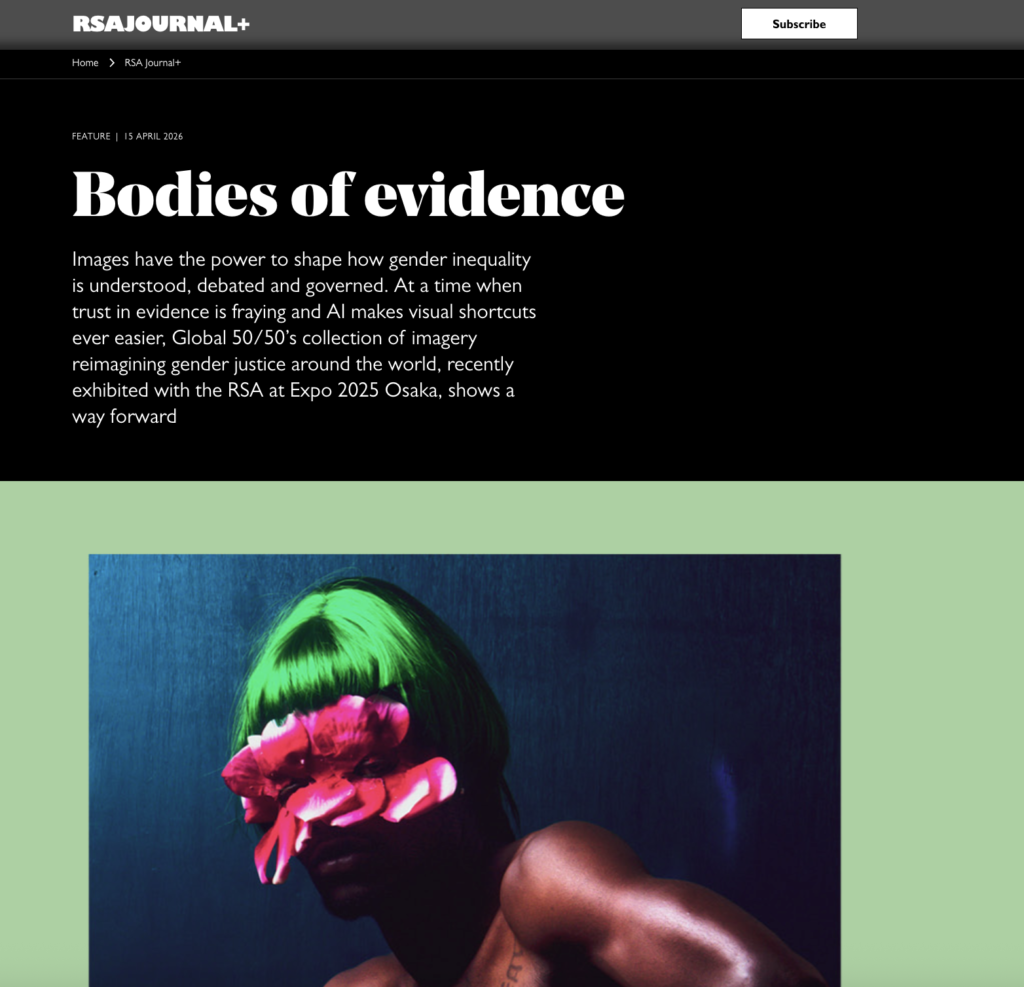
RSA Journal — Bodies of Evidence (2026)
In an age of disinformation, what counts as evidence — and who gets to produce it — is increasingly contested.
Our new photo essay, published this week in the RSA Journal’s latest edition, asks how visual culture shapes what we trust, and what happens when dominant frames fail to reflect lived realities.
Drawing on works from across This is Gender, the essay examines how images can both reinforce and disrupt systems of power, operating as forms of counter-evidence that challenge how knowledge is produced, recognised, and legitimised.
At a moment when trust in institutions, media, and knowledge itself is under pressure, the urgency is not only in questioning what we see, but in recognising the radical potential of changing how we see.
PRESS HIGHLIGHTS
The Lancet Global Health — Beyond Disclosure (2025)

In a commentary for The Lancet Global Health, This is Gender curator Imogen Bakelmun, alongside Global 50/50 co-CEO Kent Buse, examines the rise of AI-generated imagery in global health communications and its ethical implications. Responding to what has been described as “poverty porn 2.0,” the piece argues that synthetic images risk erasing context, agency, and lived experience, reinforcing harmful narratives under the guise of realism. Moving beyond calls for disclosure, the article advocates for a dignity-first approach to visual storytelling — one grounded in consent, context, and the prioritisation of real creators and authentic narratives.
Aesthetica Magazine — The Politics of Visibility (2025)
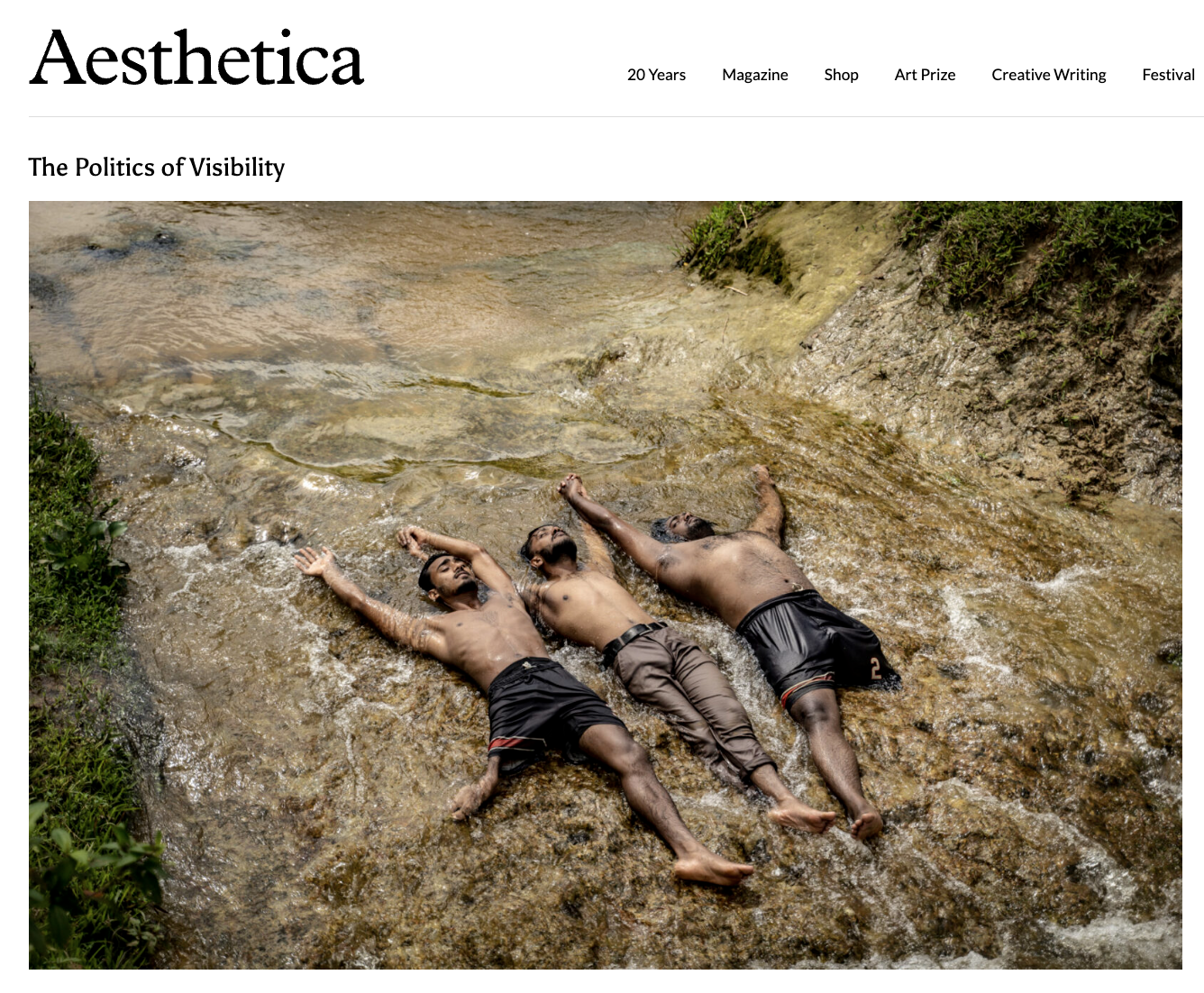
In an interview for Aesthetica Magazine, This is Gender founder and curator Imogen Bakelmun reflects on Cripping the Lens and its challenge to dominant visual narratives around gender and disability. Published alongside the exhibition’s launch, the piece situates the project within a wider moment of political rollback on disability rights, asking who is made visible in visual culture — and on whose terms. Framed through This is Gender’s commitment to visual justice, the interview explores how art can operate as resistance: challenging reductive representations and centring care, joy, and access as political acts.
The Guardian — Visualising Gender During the Pandemic – in Pictures (2021)
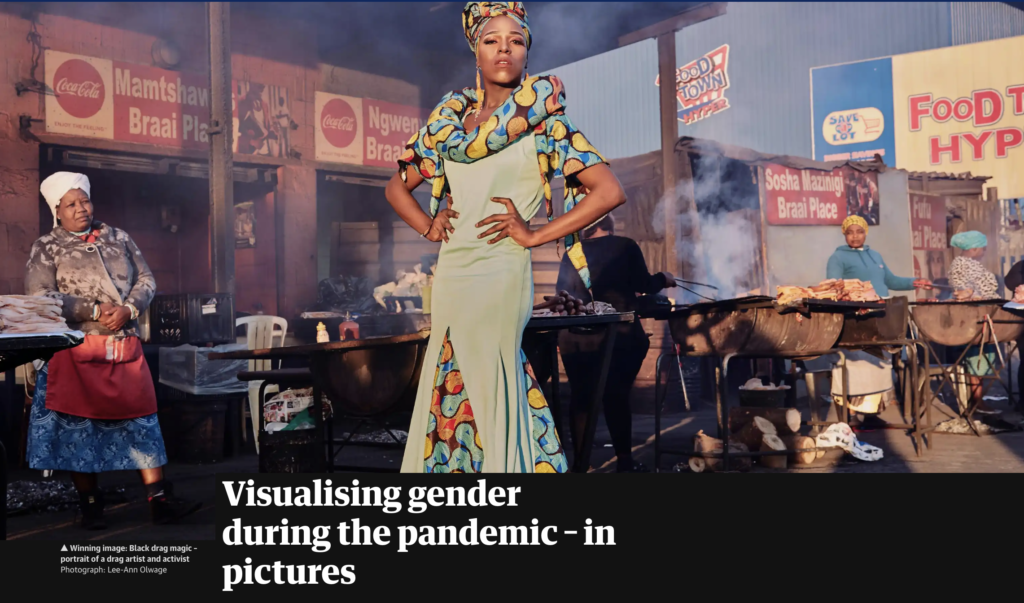
Published during the height of the COVID-19 pandemic, this Guardian photo essay marked a significant moment in establishing This is Gender as a platform for visual storytelling at a time of global health crisis. Drawing on works from the 2021 competition, it demonstrated how photography could surface gendered dimensions of the pandemic when public understanding of health was under intense scrutiny.
The Guardian — This is Gender: Photography Competition – in Pictures (2020)
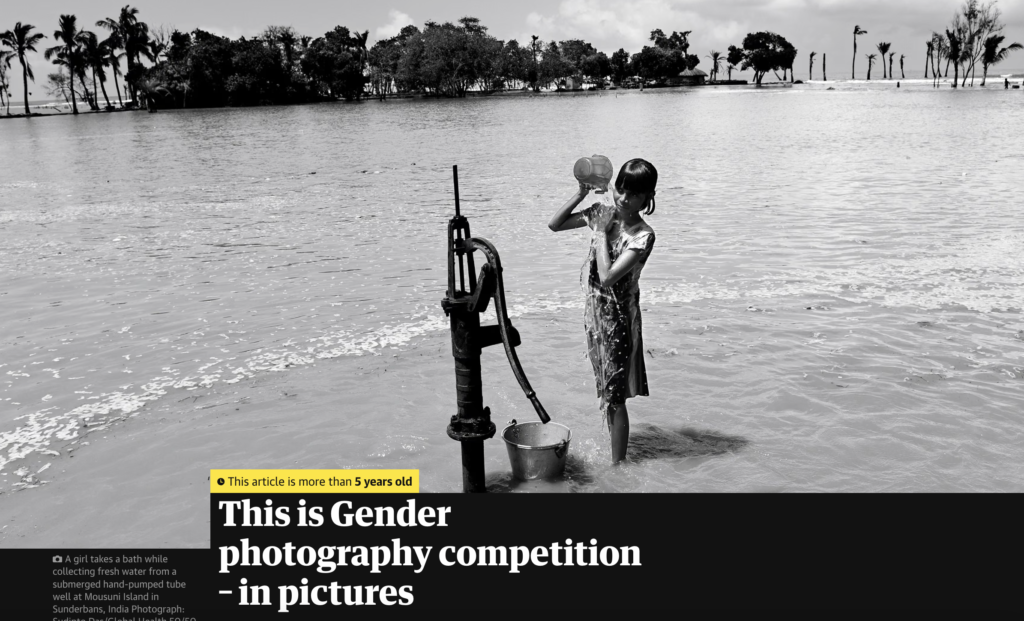
Our first appearance in The Guardian coincided with the launch of Power, Privilege, Priorities, showcasing winning and shortlisted works from This is Gender’s inaugural photography competition and marking the project’s entry into international media.
PRESS COVERAGE ARCHIVE
RSA Journal — Bodies of Evidence (2026)
The Lancet Global Health — Beyond Disclosure (2025)
Aesthetica Magazine — The Politics of Visibility (2025)
El Financiero TV (Mexico) — Interview with This Is Gender artist (2025)
The Big Issue Magazine — Disability reframed — Cripping the Lens (2025)
Art & Museum Magazine — Cripping the Lens: Art, Gender and Disability in Focus (2025)
Mag North — Global Exhibition challenges how we see gender, disability and power (2025)
RSA+ Journal — RSA celebrates UK-Japan ties at Expo 2025 (2025)
The Guardian — Visualising Gender During the Pandemic — In Pictures (2021)
The Guardian — This is Gender: Photography Competition — In Pictures (2020)
This is Gender collaborates with journalists, editors, and cultural platforms working across visual justice, gender, ethical representation, development, and global health. We welcome editorial enquiries, interview requests, and proposals for coverage that engage critically with the project and its wider contexts.