

In October 2025, This is Gender travelled to Osaka as part of the Royal Society of Arts Pavilion’s off-Expo programme, bringing the collection into a global cultural setting shaped by public encounter, curiosity, and international exchange.
Positioned at the margins of World Expo 2025, the exhibition entered a space defined by scale and spectacle, introducing new audiences to questions of gender, justice, and visual representation.
The Exhibition
Installed at the Flying Carpet Factory, This is Gender: Photography on the Frontlines of Justice was realised as an immersive, large-scale projected exhibition, bringing together 75 photographs from across the collection, spanning geographies, power structures, lived experiences, and the gender spectrum.
The work invited audiences to move through the images collectively, tracing how gender shapes everyday life through labour, care, resistance, intimacy, and survival.The three-day exhibition was accompanied by a public talk by This is Gender founder and curator Imogen Bakelmun, extending the work into dialogue with audiences and opening space for shared reflection.
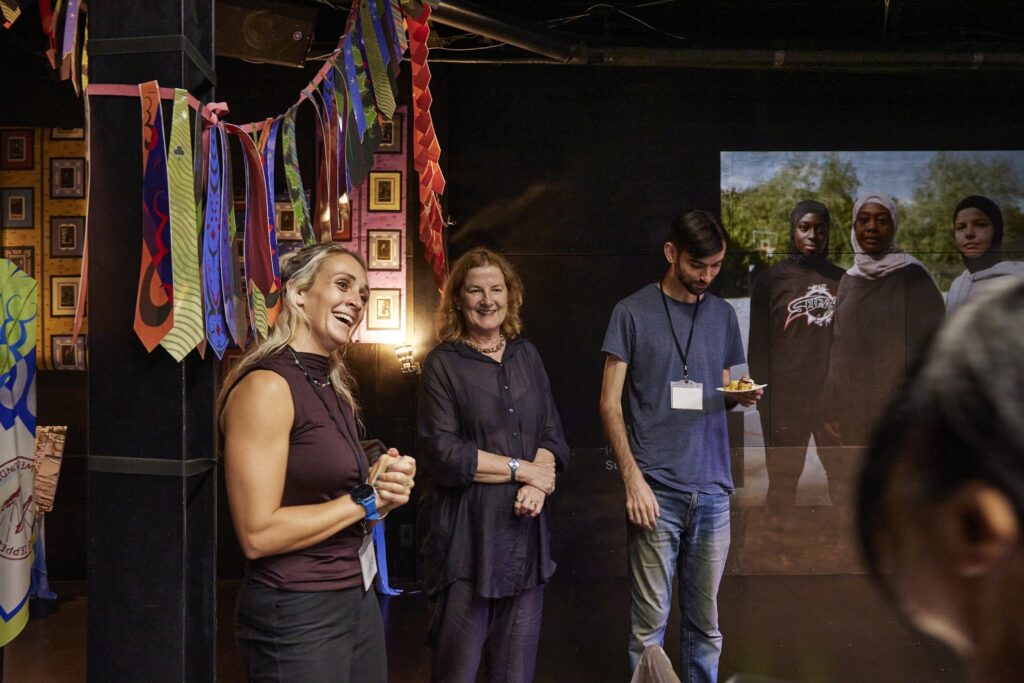
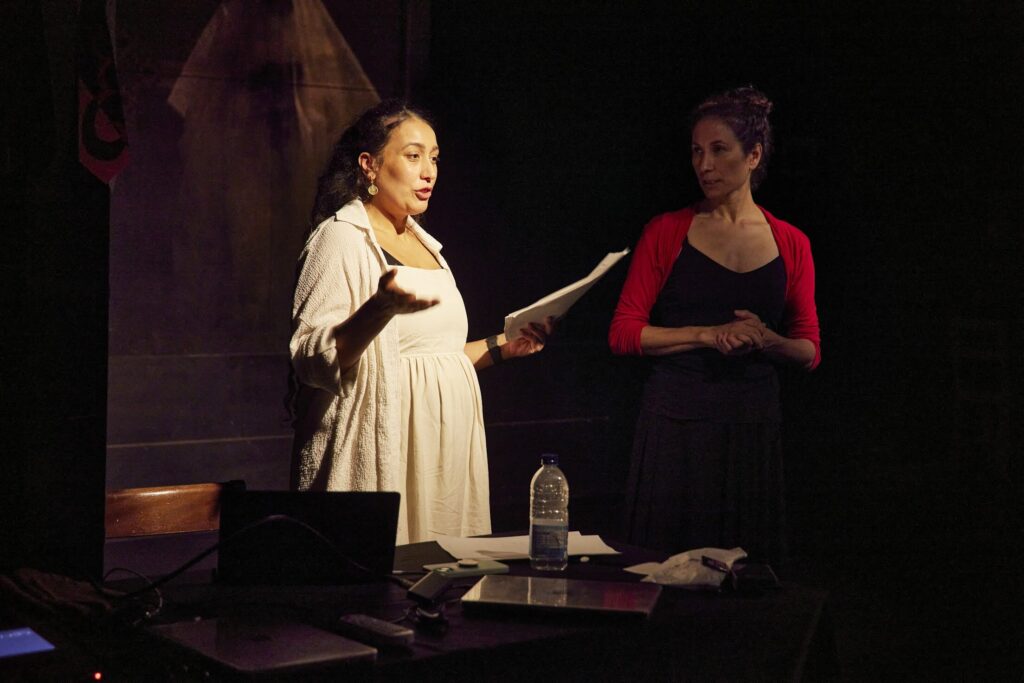
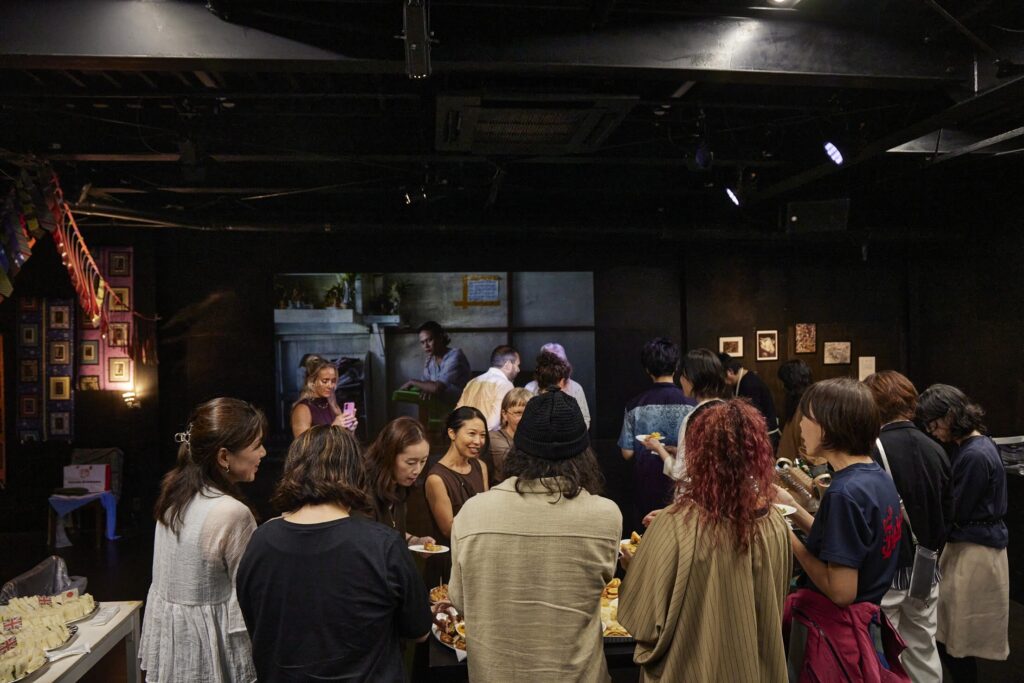
Situated within a cultural and commercial expo environment, the exhibition prompted a different kind of engagement. Visitors lingered, returned to images, and entered into animated discussion — with many commenting that it was their first time encountering global debates around gender and justice.
Conversations emerged through comparison between local perspectives and global experiences, and through reflection on how gendered injustice is lived across borders.
Presented as part of the RSA Pavilion’s Living Harmoniously in a Fractured World programme, the exhibition demonstrated how visual storytelling can operate as both evidence and dialogue.
As Jessica Robson, Community Manager (Global) at the RSA, reflected, the work offered “a powerful reminder of how art and dialogue can unite us across differences.”
Reflections
Bringing This is Gender into the context of World Expo Osaka underscored how meaning shifts as images circulate. Removed from familiar activist or policy settings, the collection invited new readings — shaped by cultural translation, curiosity, and sometimes discomfort.
In this setting, visual work functioned not only as critique, but as an opening: creating space for reflection, connection, and shared questioning across language, geography, and experience.
Each activation begins with the collection. Explore hundreds of works from across the This is Gender archive — tracing how artists around the world are reimagining gender, power, and justice through image.
From galleries and universities to conferences, festivals, and public programmes, This is Gender is available for exhibition, screening, talks, and collaborative presentation.
Learn more about the curatorial vision, partnerships, and global mission behind This is Gender — and how visual storytelling is being mobilised in the service of gender justice.
Interested in an interview, editorial feature, public talk, or cultural collaboration? We welcome conversations with journalists, editors, curators, institutions, and organisers across sectors.